Whether positive or negative in the long run, it cannot be denied that religion played a significant role in the lives of Thomas Hobbes and John Locke -- even going as far as to help the development of their philosophies later in life.

Thomas Hobbes and his personal philosophies were greatly shaped by his experiences with religion. Throughout his life, Hobbes was force to accept that religion was a destructive force -- a force that needed to be controlled by an absolute king. Prior to the inscription of The Leviathan, Hobbes experienced firsthand of the brutish nature of mankind during the war in 1649 concerning the rule of England. It was one of the worst imaginable scenarios for Hobbes. As a man who saw violence as unneeded and against reason, Hobbes was driven to destroy the church's independent authority, and assert the king as a central state of power. (Williams, Garrath; Thomas Hobbes: Moral and Political Philosophy; Lancaster University). While he was driven to subjugate the Catholic church as a tertiary power under the King's Government, he overall felt that the church was a negative facet of society, and it would be best for it to be eliminated altogether. Sorrell, Tom, ed (1996) The Cambridge Companion to Hobbes (Cambridge University Press, Cambridge)
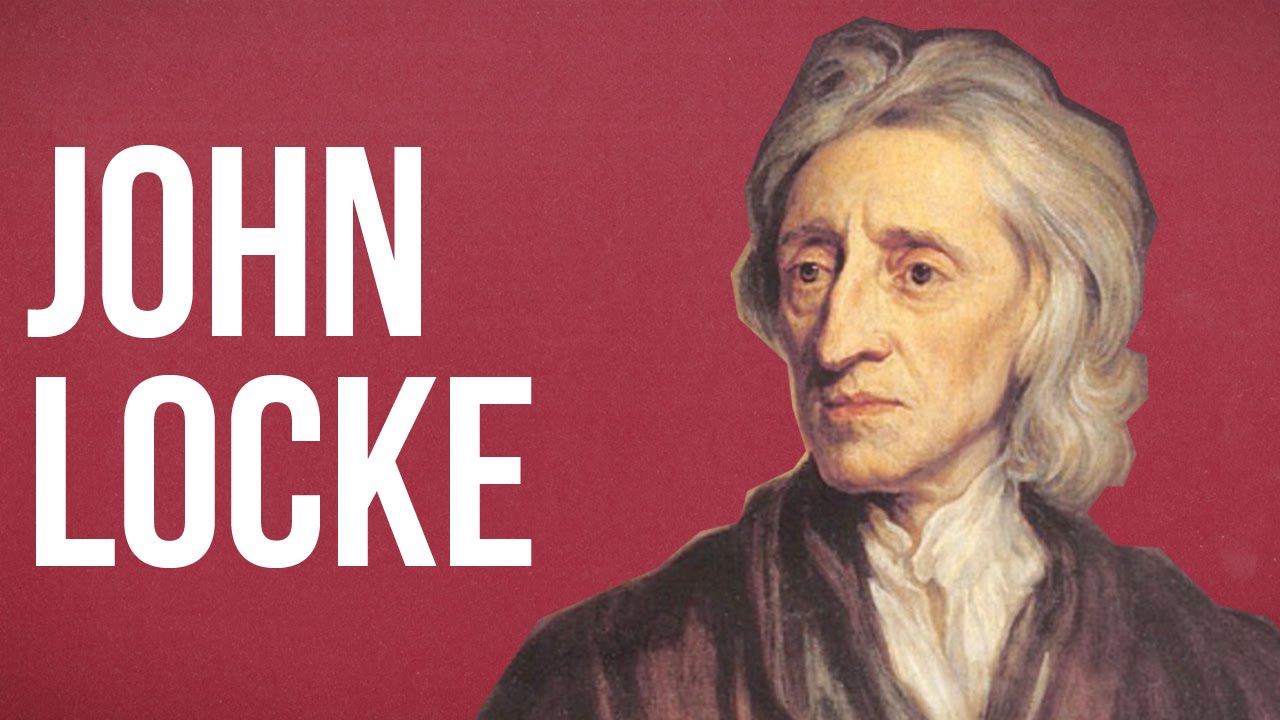
While considered a rationalist as prominent as Hobbes, Locke was a Protestant, linking him closer to religion and it's impact on society -- as well as the people within it. A parliamentarian as well, Locke actually welcomed the religious changes accompanying the Glorious Revolution. In his eyes, Parliament was not only ideal, but also necessary to enforce the cooperation of the church and other large factions. In addition to this, Lock used his experiences during the power shift to develop his views on reason, nature, humanity, and God. He felt these were naturally given rights that could never be taken away by a fellow man. (Colman, John, 1983, John Locke’s Moral Philosophy, Edinburgh: Edinburgh University Press.) Therefore, in his eyes, a Parliamentary force was not only a wish but a necessity to secure the peoples' equality, order, life, liberty, and property. (Arneil, Barbara, 1996, John Locke and America, Oxford: Clarendon Press.)

No comments:
Post a Comment